
經驗饑荒
自然環境、社會機制和中國農民的生與死(1958–1961)
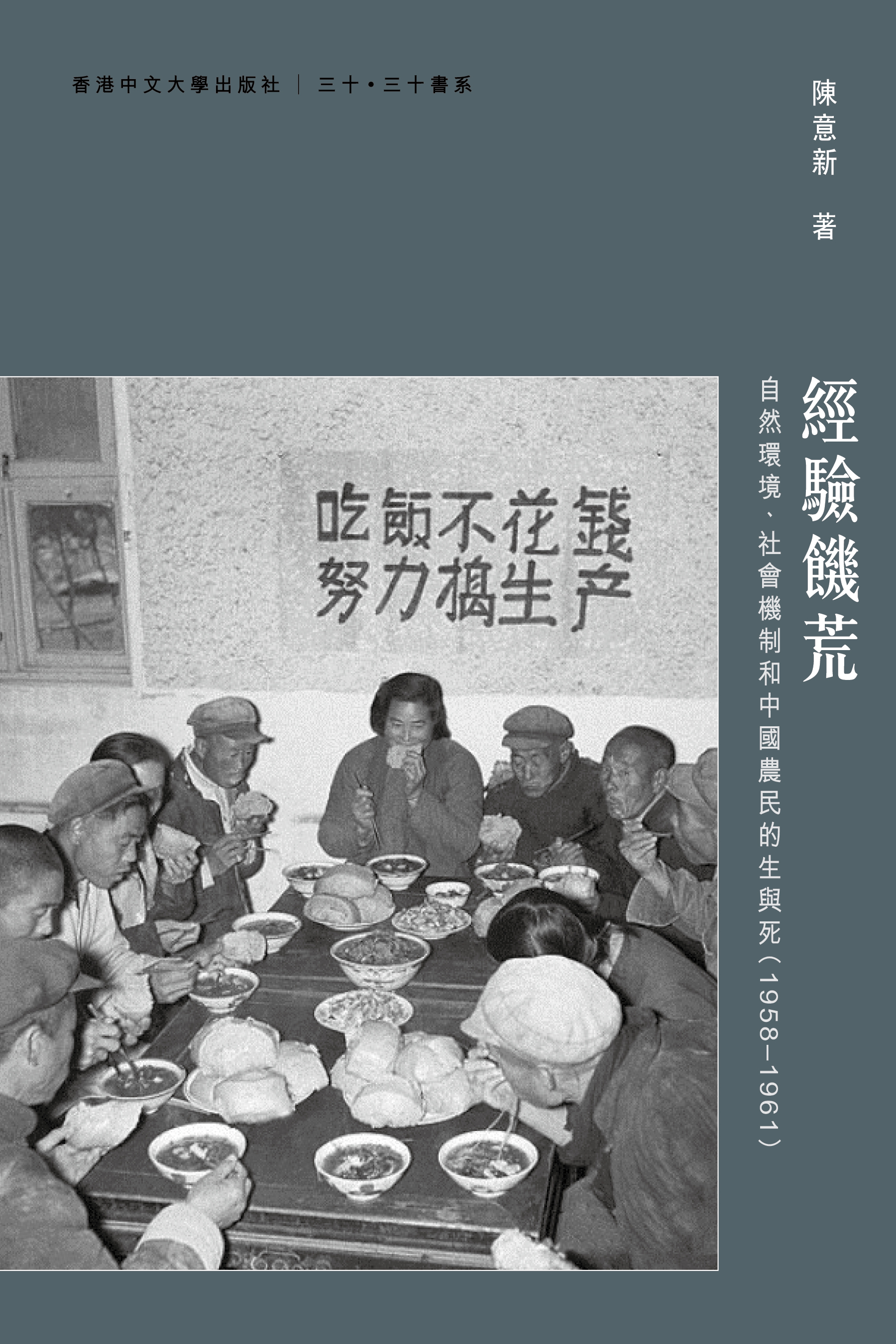
Download Url(s)
https://julac-cuhk.primo.exlibrisgroup.com/permalink/852JULAC_CUHK/16slfhk/alma991040769429403407Version
PublishedLanguage
ChineseAbstract
Why did some peasants survive the Great Leap Forward famine while others in the same villages perished? This book investigates the stark disparities in life and death during this period, drawing on two decades of fieldwork across over forty villages in Anhui and Jiangxi provinces. The author integrates more than one hundred oral histories from farmers and grassroots cadres with archival documents, local records, and genealogical sources to elucidate the social mechanisms, resources, and cultural dynamics that shaped survival outcomes.
By analyzing the interplay of natural environments, lineage organizations, and economic structures, the book reveals the pivotal mechanisms governing grassroots power dynamics, food distribution, and strategies for self-preservation or collective resistance. It details survival tactics—such as consuming unripe grain, organizing food and crop riots, and concealing harvests—that challenge prevailing famine narratives centered on mortality, offering a nuanced perspective on the resilience and complexity of rural grassroots society in the early People’s Republic of China. 大躍進饑荒期間,是怎樣的社會機制、資源和文化,造成了同一個村莊裏農民的生死分野?二十餘年來,作者走訪安徽和江西四十多個村莊,收集逾百份農民和基層幹部的口述資料,結合檔案、地方志、族譜等文獻,試圖從一手集體經驗找到農民在饑荒中得以倖存的原因。
透過分析各村莊的自然環境、宗族文化及經濟結構等,本書揭示了塑造農村基層權力關係、決定糧食分配,以及動員農民自保或集體抵抗的關鍵機制。書中講述的農民吃青、搶糧、瞞產等求生經驗,更補充了以往聚焦於死難的大饑荒論述,呈現共和國早期農村基層社會的複雜圖景。
Webshop link
https://cup.cuhk.edu.hk/WhenFo ...ISBN
9789882373495Publisher website
https://cup.cuhk.edu.hk/Publication date and place
Hong Kong, 2025Imprint
The Chinese University of Hong Kong PressSeries
30/30 Series,Classification
Pages
432
Except where otherwise noted, this item's license is described
as
https://creativecommons.org/licenses/by-nc-nd/4.0/