
瞿秋白與跨文化現代性
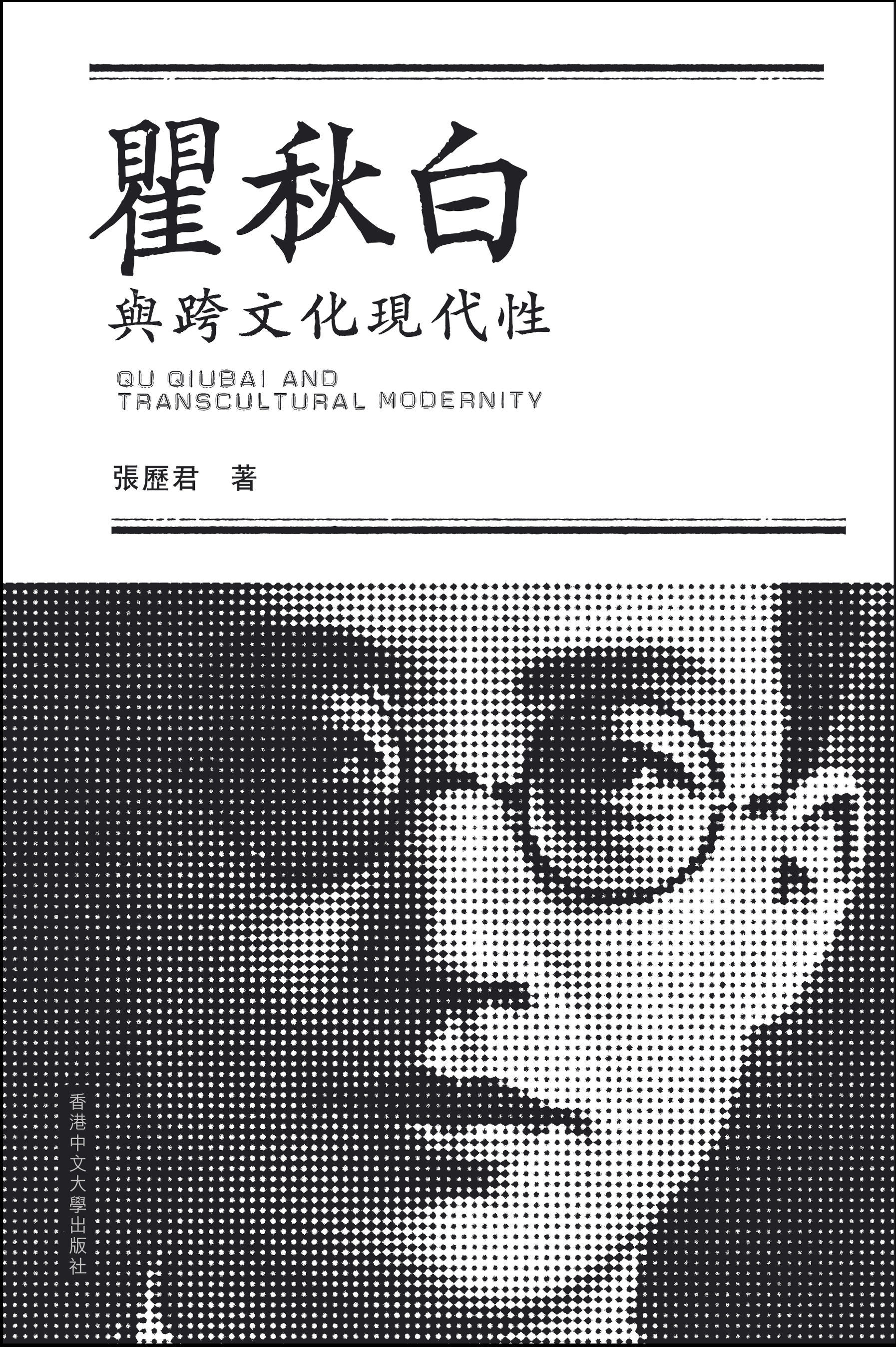
Download Url(s)
https://cup.cuhk.edu.hk/image/catalog/books/9789882371026.jpg
https://julac-cuhk.primo.exlibrisgroup.com/permalink/852JULAC_CUHK/1dl2t2q/alma991039836218803407
Version
PublishedLanguage
ChineseAbstract
Transcend the traditional binary opposition in research methods and examine the complexity of Qu Qiubai’s thoughts.
This book interprets Qu Qiubai’s intellectual, political, and literary practices as a significant case of cross-cultural modernity in early 20th-century China. Drawing on Benjamin Schwartz’s concept of “two-handed dialectics,” the author seeks to rejuvenate a critical space for Qu Qiubai studies. Within this new space, the book connects texts across different domains: philosophical reflections on dialectical materialism, personal recollections of political events, and adaptations of novels. At the same time, it juxtaposes seemingly unrelated or even opposing intellectual traditions—such as Lebensphilosophie, Buddhist Yogācāra thought, and anarchism—to reveal their peculiar historical interrelations. More importantly, the author places Eastern and Western Marxist thinkers, who were simultaneously active on the global political and intellectual stage, onto the same research platform for detailed comparison and analysis. Only through this broad perspective of cross-cultural modernity can the multifaceted and complex intellectual world of Qu Qiubai be fully revealed before us. 跨越二元對立的傳統研究方法,看瞿秋白思想的複雜性。
本書將瞿秋白的思想、政治和文學實踐,理解為二十世紀初中國「跨文化現代性」的重要案例。作者參考史華慈的「『雙方面』的辯證法」,嘗試為瞿秋白研究重啟一個開放的批評空間。在這個新的空間裏,本書把辯證唯物論的哲學思考與有關政治事件的個人回憶和小說改編等不同領域的文本連接起來;同時將生命哲學、佛教唯識宗思想和無政府主義這些表面看來毫無關係、甚至相互對立的思想脈絡重新並置,展示它們之間詭異的歷史關係。而更重要的是,作者把同時活躍於國際政治和思想舞台上的東西方馬克思主義者,重新放置在同一個研究平台上進行細緻的比較分析。唯有在這種廣闊的跨文化現代性的閱讀和論述視野裏,瞿秋白多重複雜的思想世界才得以重新展現在我們眼前。
Keywords
Leadership authority; Henri Bergson; Yogācāra; Bodhisattva practice; "Superfluous Words"; "Chronicle of a Famine-Stricken Land"; "The Inner History of the Red Capital"; Antonio Gramsci; "Prison Notebooks"; impulse of life; vital impulse; Benjamin Schwartz; Communist International; modern monarch; "Shorts Party"; suicide; heterotopia; mon coeur; Wei Hu; Skanda BodhisattvaWebshop link
https://cup.cuhk.edu.hk/index. ...ISBN
9789882371026Publisher website
https://cup.cuhk.edu.hk/Publication date and place
Hong Kong, 2020Imprint
The Chinese University of Hong Kong PressClassification
Pages
276
Except where otherwise noted, this item's license is described
as
https://creativecommons.org/licenses/by-nc-nd/4.0/