
Le motet du XIVe siècle
Une subtile histoire du temps
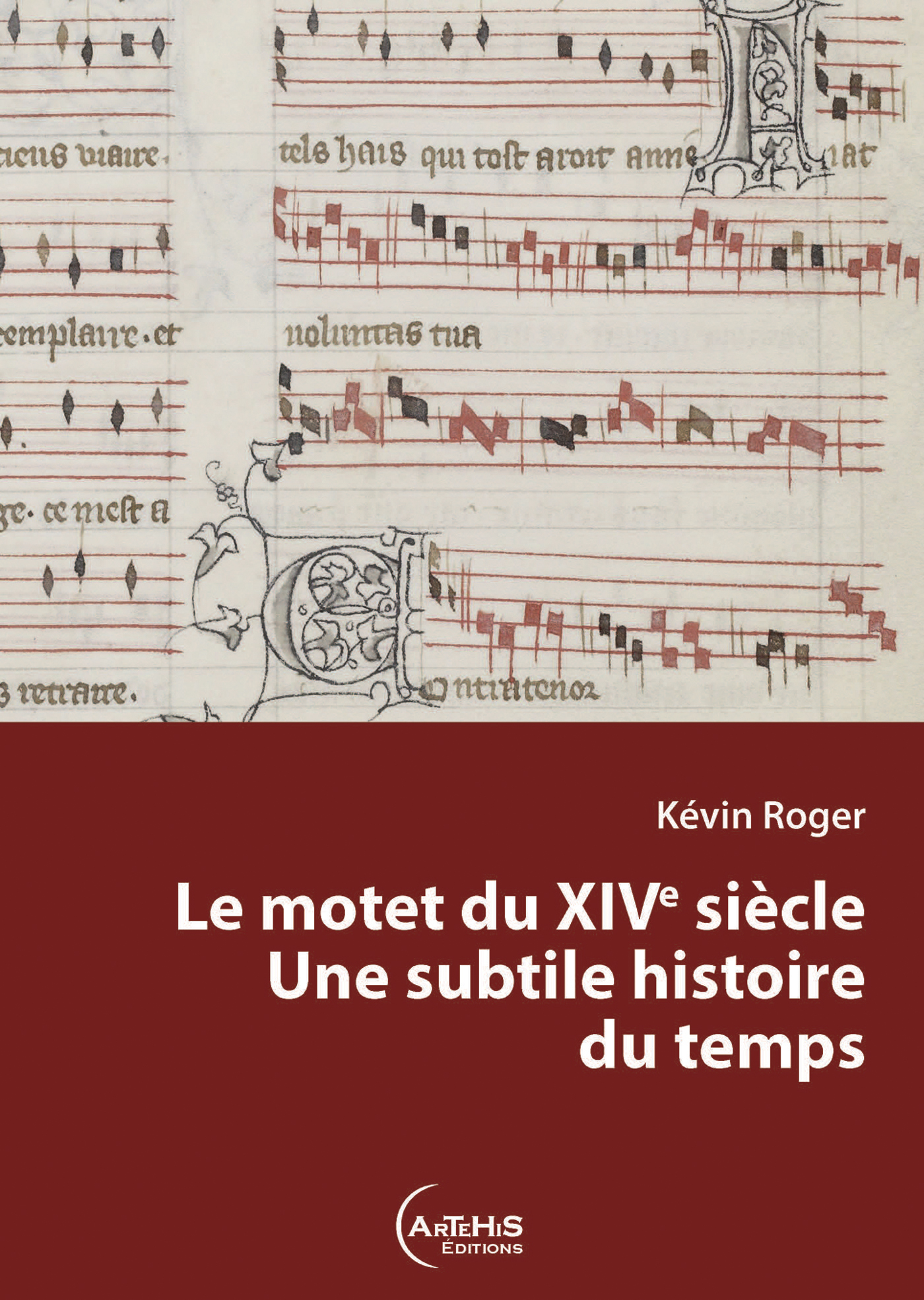
Abstract
This publication is the revised version of a research dissertation in musicology defended in 2017 at the University of Burgundy. The aim is to study the practical and theoretical relationships that unite motet composition and the sciences relating to the measurement of time at the end of the Middle Ages. Starting with the periodic form of the so-called “isorhythmic” motets found in 14th-century France, the various sections explore how the rise of astronomical knowledge, mechanical clock-making and the popularity of astrology might have influenced composers in their quest for a work outside the strictly poetic genres. With its pluritextuality, superimposed rhythmic and melodic repetitions and sophisticated literary content, the motet is a singular form in the Western landscape, with diverse connections to a variety of disciplines. While the first and second chapters analyze the circularity of the motet and the use of isoperiodicity, chapters 3 and 4 focus on the measurement of time in medieval culture, pointing to several common concepts between polyphonic composition and astronomical knowledge and clock-making. The final chapter examines several references to the stars in French motets.
Keywords
music; motet; composition; isorhythm; astronomy; astrology; clock-makingDOI
10.4000/133brISBN
9782959167539Publisher
ARTEHIS ÉditionsPublisher website
http://books.openedition.org/artehisPublication date and place
Dijon, 2025Series
Monographies et Actes de colloques,Classification
European history
European history: medieval period, middle ages
History of music