
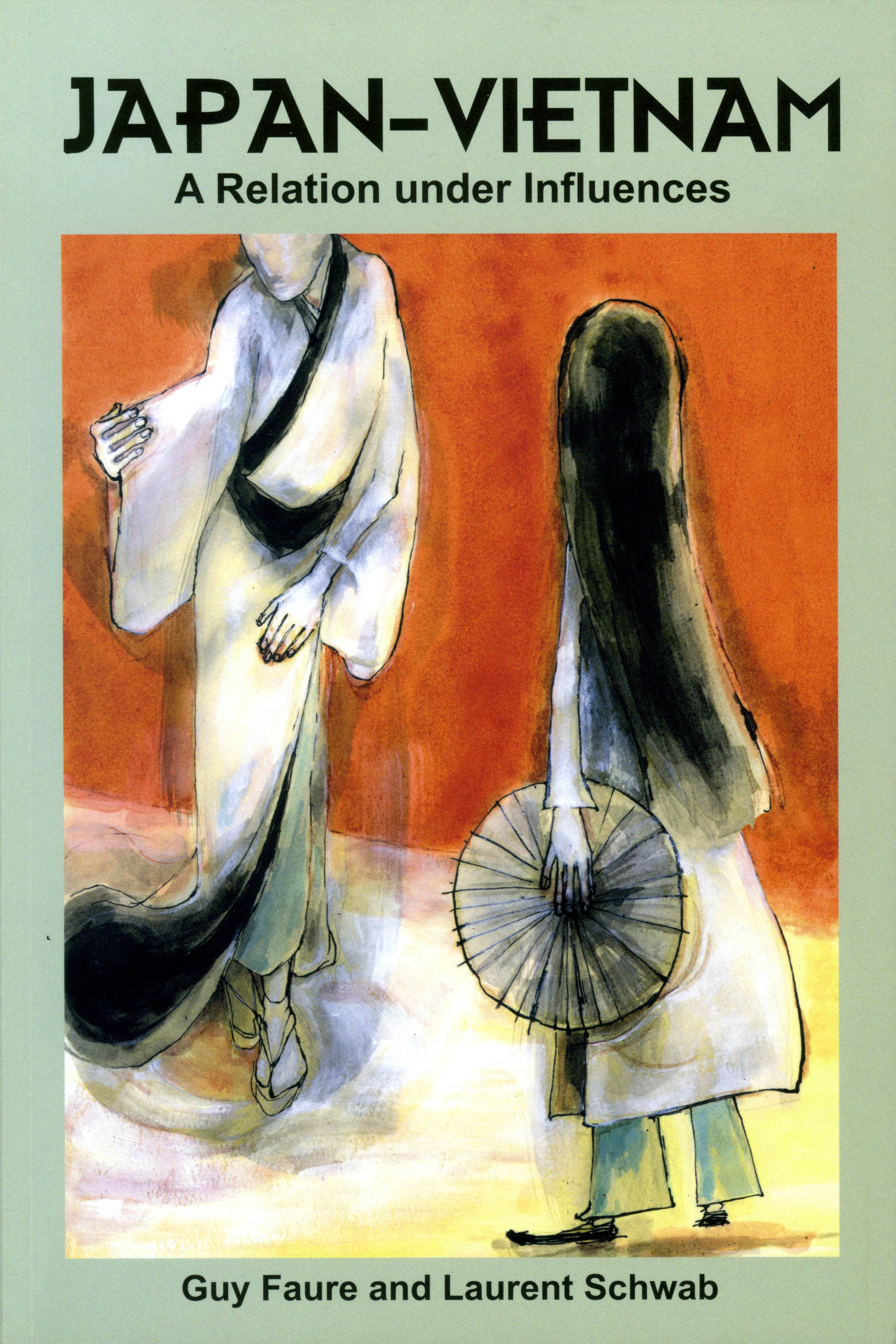
Japan-Vietnam
A Relation under influences
Abstract
Japan, the reigning economic giant of East Asia, and Vietnam, an industrializing socialist country in Southeast Asia with strong links to China, occupy worlds that seem not to intersect. Yet historical connections between the two countries date back at least to the fourteenth century, when a Japanese merchant community flourished in the city of Hoi An.As Guy Faure and Laurent Schwab point out, relations between the two countries have been greatly influenced by outside powers. In the late nineteenth century, confronted by Western colonialism, Vietnamese nationalists took refuge in Japan and sought inspiration from Japan s economic development and resistance to the West. During the Pacific War Japan s imperial army virtually occupied Vietnam, albeit under a treaty agreement with France. And American B52 bombers flew sorties during the Vietnam War from bases in Okinawa, which made Tokyo an enemy in the eyes of Hanoi. However, the new century has brought a growing convergence of interests and the beginnings of a new relationship based on an emerging convergence of interests.
Keywords
modernization; nationalism; economy; Pacific War; boat people; doi moi; Fukuda Doctrine; Japan; VietnamDOI
10.4000/12eggISBN
9782355960673, 9789971693893Publisher website
http://books.openedition.org/irasecPublication date and place
Bangkok, 2008Series
NUS Press-IRASEC Studies on Southeast Asia,Classification
Asian history