
Inszenierung und Wirklichkeit
Einfluss des Künstlermythos auf die Interpretation des Werkes von Oskar Kokoschka während der expressionistischen Phase von 1908 bis 1923
Abstract
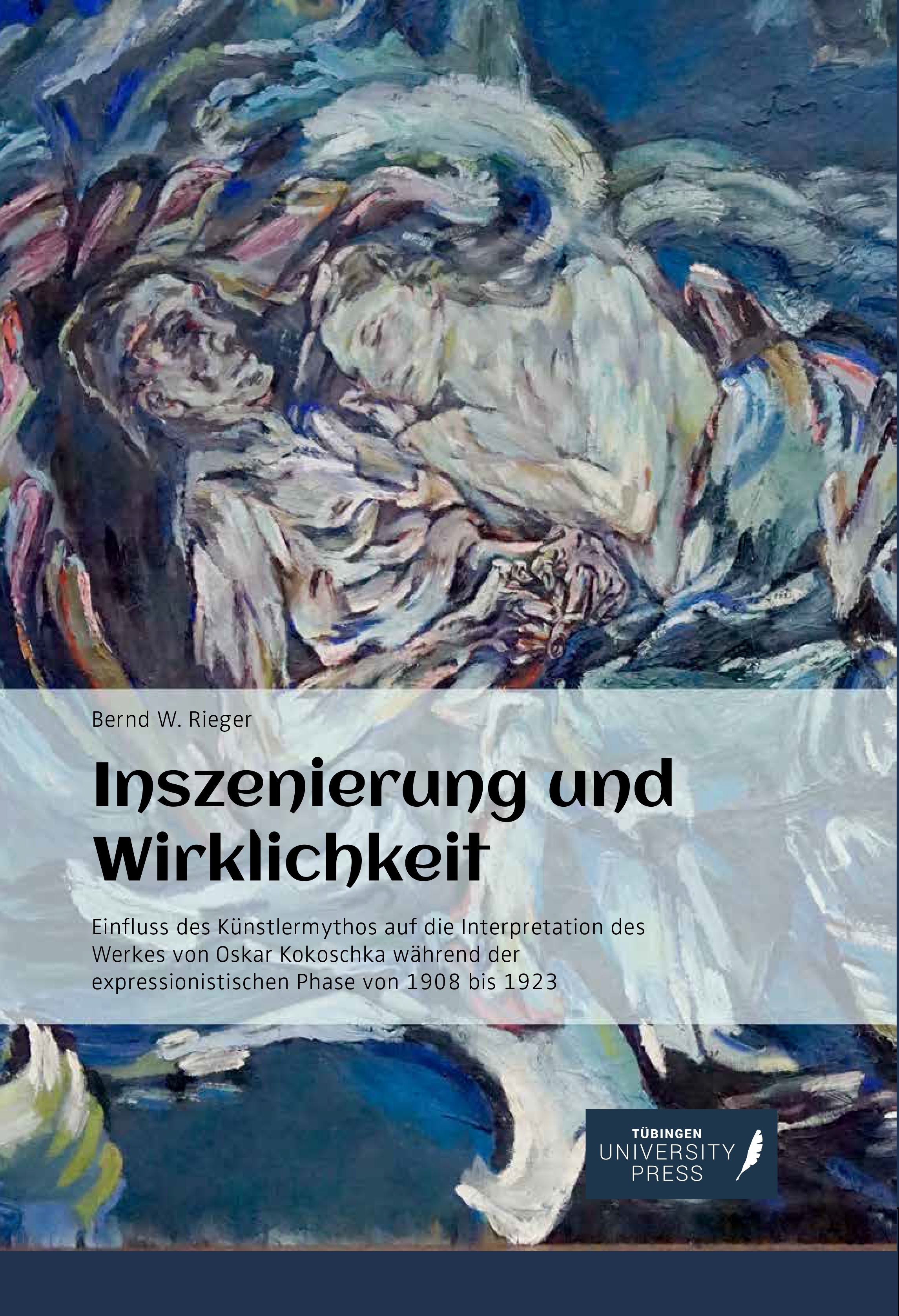
With the painting The Wind Bride (1914, see cover), the painter Oskar Kokoschka (1886-1980) depicted the climax of his amorous relationship with Alma Mahler. The amour fou ended in disappointment, which manifested itself in a symbolic overpainting - the psychologically positive red gave way to a cool blue. In Kokoschka's case, the urge for self-expression within the framework of a clearly defined artist's image began at the age of 22. He created this image in an economically determined manner, which became an artistic myth throughout his life through the blending of fantasy stories and lived experience and still determines and often falsifies the interpretation of his works from the Expressionist phase today. In his stories and lectures, reality and self-presentation were transfigured into an artistic myth to which the scientific and art-historical biography succumbed. Only recently have art historians tended to interpret the artist in terms of marketing strategy. In Kokoschka's case, it was not gaps in his memory or cognitive illusions that formed his artistic myth - it was the deliberate, all-encompassing staging.
Keywords
Karl Kraus; Expressionismus; Modernism; Vienna; Turn of the century; Fin de siècle; Art market; Scandal; Marketing; Self-promotion; Double talent; Avant-gardeISBN
9783947251032Publisher
Tübingen University PressPublisher website
www.tuebingen-university-press.dePublication date and place
Tübingen, 2018Classification
History of art
Early 20th century c 1900 to c 1950
Pages
518
Except where otherwise noted, this item's license is described
as
https://creativecommons.org/licenses/by-nc-nd/3.0